
Introduction
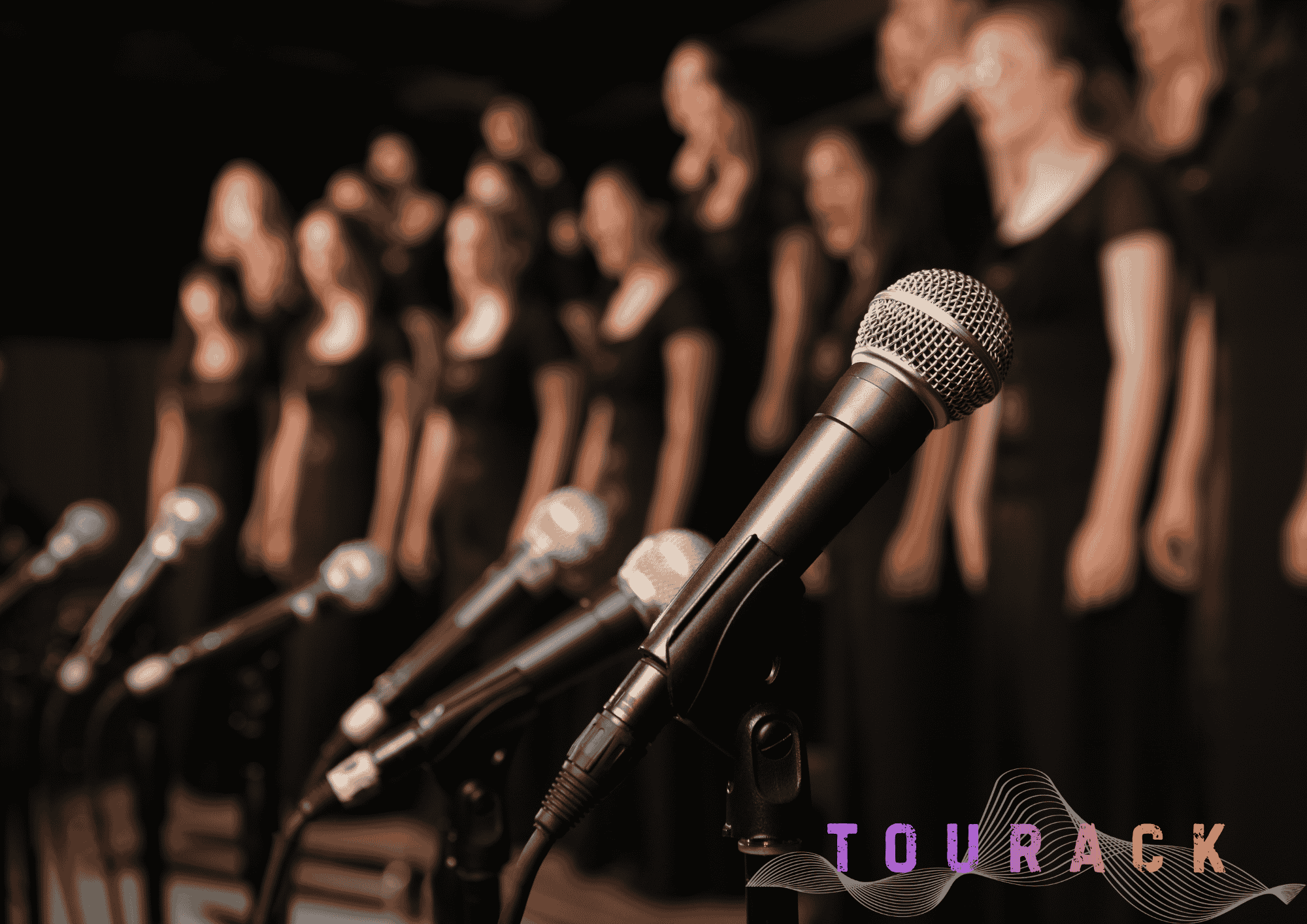
A choir adds beauty, emotion, and depth to worship services. Capturing that sound naturally, however, requires more than simply placing a microphone in front of the singers.
Unlike solo vocalists, a choir is a group of voices blending together. The goal isn’t to amplify individual singers but to reproduce the ensemble with clarity, balance, and warmth while minimizing feedback and maintaining the natural character of the performance.
Whether your church has a small volunteer choir or a large worship ensemble, choosing the right microphones and using proper placement techniques will make a significant difference both in the sanctuary and on your livestream.
Start with the Choir
Before selecting microphones, consider the choir itself.
Ask questions such as:
- How many singers are in the choir?
- Is the choir stationary or does it move?
- Is the choir elevated on risers?
- Is the choir accompanied by a worship band or orchestra?
- Will the microphones primarily support the in-person congregation, the livestream, or both?
Understanding your choir’s setup helps determine the most effective microphone solution.
Do You Always Need Choir Microphones?
Not always.
In smaller churches with excellent room acoustics, the choir may naturally project well enough for the congregation without additional amplification.
However, microphones become increasingly important when:
- Services are livestreamed.
- Worship is recorded.
- The sanctuary is large.
- The choir performs with a worship band.
- Speech and singing need greater clarity.
Often, the livestream audience benefits the most from dedicated choir microphones.
Choosing the Right Microphone Type
Different microphone styles serve different purposes.
Small-Diaphragm Condenser Microphones
Small-diaphragm condenser microphones are commonly used for choir recording because they provide:
- Excellent detail
- Wide frequency response
- Natural vocal reproduction
- Fast transient response
They’re an excellent choice for most church choirs.
Hanging Choir Microphones
Suspended microphones provide discreet coverage while remaining visually unobtrusive.
Advantages include:
- Clean stage appearance
- Even coverage
- Reduced floor clutter
- Permanent installation options
They’re often found in sanctuaries with traditional choir lofts.
Choir Shotgun Microphones
Some churches use shotgun microphones to increase focus toward the choir.
While they can be useful in specific situations, they’re generally best suited to targeted applications rather than covering large choir sections.
How Many Microphones Do You Need?
More microphones don’t necessarily produce better sound.
The ideal number depends on:
- Choir size
- Room acoustics
- Microphone coverage
- Desired reinforcement
Using too many microphones can increase background noise and reduce overall clarity.
The goal is consistent coverage rather than placing one microphone in front of every singer.
Microphone Placement
Proper placement often has a greater impact than microphone selection.
General guidelines include:
- Position microphones several feet in front of the choir.
- Aim microphones toward the center of each choir section.
- Avoid placing microphones directly above only the front row.
- Maintain consistent spacing between microphones.
Good placement helps every section contribute naturally to the overall sound.
Stereo or Mono?
For most worship services:
Mono
Provides excellent reinforcement for the congregation and simplifies system operation.
Stereo
Often preferred for:
- Livestreaming
- Recording
- Concerts
- Special musical presentations
Stereo techniques can produce a wider, more natural choir image for listeners using headphones or home audio systems.
Mixing the Choir
The choir should blend naturally with the rest of the worship team.
Avoid making the choir significantly louder than:
- Worship leaders
- Congregation
- Instruments
Instead, use the choir microphones to add warmth, support, and musical depth while preserving the overall balance of the worship service.
Livestream Considerations
Many churches create a dedicated livestream audio mix.
This allows choir microphones to be mixed differently for online viewers than for those seated in the sanctuary.
A separate broadcast mix often produces:
- Better vocal clarity
- Improved musical balance
- More natural listening experience
Common Mistakes to Avoid
Placing Microphones Too Close
Microphones placed too close may emphasize only a few singers instead of capturing the choir as a unified ensemble.
Using Too Many Microphones
Additional microphones increase the potential for:
- Phase issues
- Feedback
- Excessive room noise
Less is often more.
Ignoring Sanctuary Acoustics
Room acoustics play a major role in how a choir sounds.
Acoustic improvements may provide greater benefits than adding more microphones.
Mixing Too Loud
Choir microphones should support worship—not overpower it.
Natural balance is usually more effective than excessive amplification.
Recommended Choir Audio Solutions
Small Churches
- One or two choir microphones
- Compact digital mixer
- Simple reinforcement
- Livestream-ready setup
Medium Churches
- Multiple suspended or stand-mounted choir microphones
- Digital mixer with scene recall
- Dedicated livestream mix
Large Churches
- Distributed choir microphone system
- Professional digital audio network
- Broadcast-quality livestream production
- Expandable worship audio infrastructure
Frequently Asked Questions
How many microphones does a choir need?
The answer depends on the size of the choir, room acoustics, and microphone coverage. The goal is even coverage rather than assigning one microphone to each singer.
Should churches use hanging microphones?
Hanging microphones are an excellent option for many sanctuaries because they provide unobtrusive, consistent coverage while maintaining a clean appearance.
Are choir microphones mainly for the congregation?
In many churches, the congregation hears the choir naturally. Choir microphones are often most valuable for livestreaming, recording, and maintaining consistent balance within the overall sound system.
Should every choir member have a microphone?
No. Choirs are typically captured as an ensemble rather than amplifying individual voices.
Final Thoughts
A choir should sound unified, expressive, and natural.
The best choir microphone system isn’t the one with the most microphones—it’s the one that faithfully captures the choir’s performance while supporting worship and serving both the in-person congregation and online audience.
With thoughtful microphone selection, proper placement, and careful mixing, churches can create a rich and inspiring worship experience for everyone listening.
At TOURACK, we’re honored to help churches and ministries design worship audio systems that support music, ministry, and meaningful worship. Whether you’re upgrading an existing sanctuary or planning a new installation, our TOURACK Advisors™ can help you choose choir microphones and audio solutions that fit your church’s needs and budget.
Related Products
- Choir Microphones
- Hanging Microphones
- Small-Diaphragm Condenser Microphones
- Digital Mixers
- Wireless Microphones
- Microphone Stands
- XLR Cables
- Digital Stage Boxes
- Church Audio Systems
Related Articles
- Church Sound Systems: A Complete Buying Guide
- Wireless Microphone Buying Guide
- PA System Buying Guide
- Livestream Audio for Churches
- Digital Mixer vs. Analog Mixer
- How to Set Up a Worship Sound System