
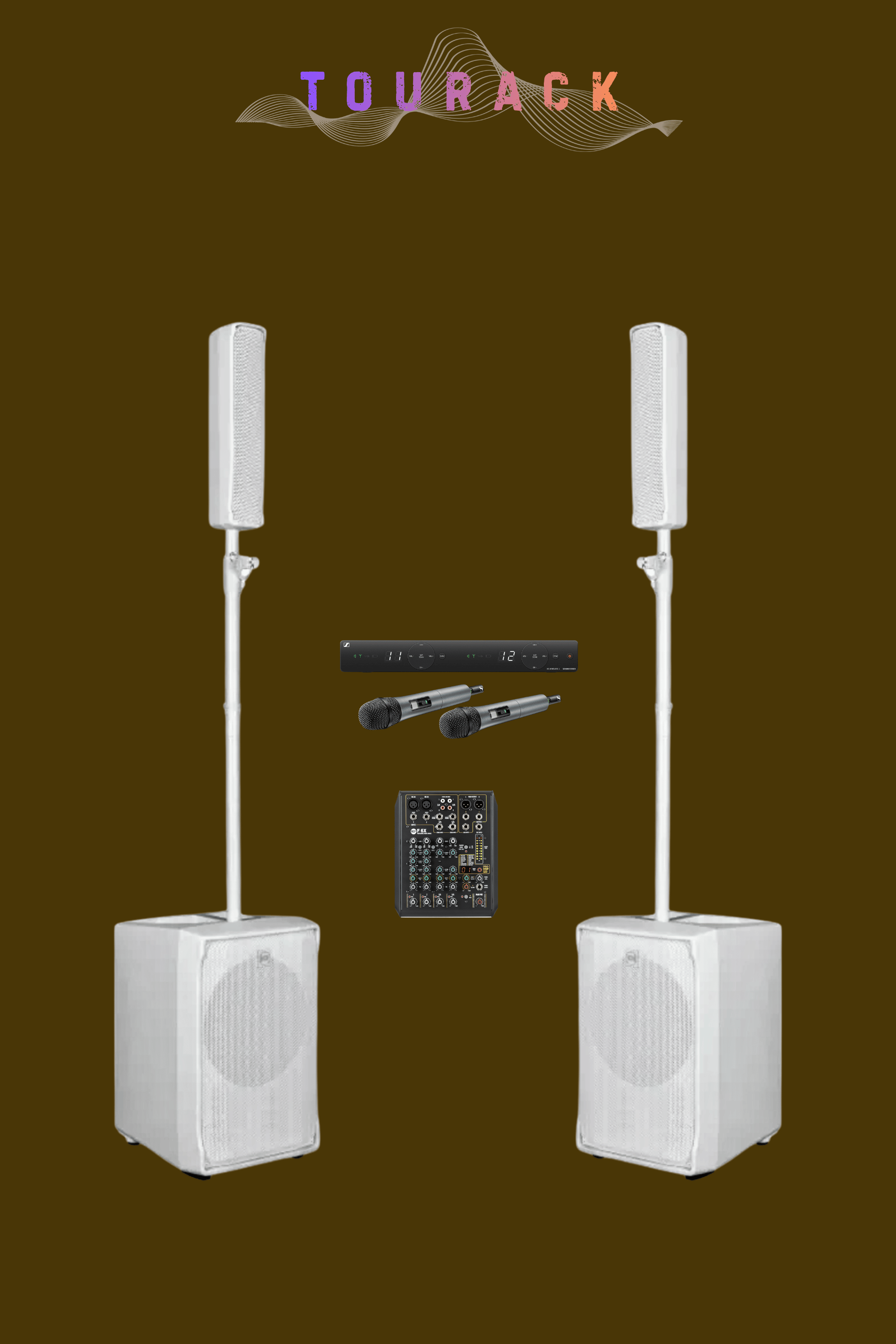
Introduction
Whether you’re performing live, leading worship, hosting a conference, teaching a class, or organizing a community event, a reliable PA (Public Address) system ensures every voice and every note is heard clearly.
With countless speaker types, mixers, microphones, and accessories available, choosing the right PA system can feel overwhelming. The key is understanding your venue, audience size, and intended use before making a purchase.
This guide will walk you through the essential components of a PA system and help you choose the right setup for your needs.
What Is a PA System?
A PA (Public Address) system amplifies sound so it can be heard clearly by an audience.
A typical system includes:
- Loudspeakers
- Mixer
- Microphones
- Amplification (if required)
- Speaker stands
- Cables
- Wireless systems (optional)
The right combination depends on your application, venue size, and audience.
Step 1: Determine Your Application
The first question is simple:
What will you use the PA system for?
Live Music
Bands and solo performers often need:
- Full-range speakers
- Vocal microphones
- Instrument inputs
- Stage monitors
- Mixers with multiple channels
Churches & Houses of Worship
Typical systems include:
- Main loudspeakers
- Wireless microphones
- Choir microphones
- Digital mixers
- Livestream audio integration
Corporate Events
Business presentations usually require:
- Speech-focused speakers
- Wireless handheld microphones
- Presentation audio
- Conference microphones
Schools
Schools often need flexible systems for:
- Assemblies
- Sporting events
- Performances
- Class presentations
DJs & Events
DJ systems typically emphasize:
- High output
- Deep bass
- Subwoofers
- Multiple microphone inputs
Step 2: Choose the Right Speakers
Speakers are the heart of every PA system.
Powered Speakers
Powered speakers include built-in amplifiers.
Advantages:
- Easy setup
- Fewer components
- Portable
- Popular for most users
Best for:
- Churches
- Schools
- DJs
- Small venues
- Corporate events
Passive Speakers
Passive speakers require external amplifiers.
Advantages:
- Flexible system design
- Easy amplifier upgrades
- Large installations
Best for:
- Permanent installations
- Touring systems
- Large venues
Step 3: How Many Speakers Do You Need?
Small Rooms (Up to 50 People)
Usually:
- Two full-range speakers
Medium Events (50–200 People)
Typically:
- Two full-range speakers
- Optional subwoofer
Large Venues
May require:
- Multiple speakers
- Delay speakers
- Subwoofers
- Line arrays
Professional system design becomes increasingly important as venues grow larger.
Step 4: Do You Need a Subwoofer?
Subwoofers reproduce low-frequency sounds that standard speakers cannot.
They’re especially beneficial for:
- Live bands
- DJs
- Electronic music
- Dance events
- Large churches
Speech-only applications often don’t require subwoofers.
Step 5: Choosing a Mixer
Your mixer controls every sound source connected to the system.
Analog Mixers
Advantages:
- Simple operation
- Lower cost
- Easy to learn
Great for:
- Beginners
- Small events
- Portable systems
Digital Mixers
Advantages:
- Scene recall
- Built-in effects
- Remote control
- Greater flexibility
Ideal for:
- Churches
- Touring
- Theaters
- Professional production
Step 6: Wired or Wireless Microphones?
Wired Microphones
Advantages:
- Reliable
- Affordable
- No batteries
Perfect for:
- Fixed stages
- Lecterns
- Recording
Wireless Microphones
Advantages:
- Freedom of movement
- Clean stage appearance
- Flexible presentations
Ideal for:
- Worship leaders
- Presenters
- Fitness instructors
- Performers
Step 7: Portability Matters
If you’ll transport your system regularly, consider:
- Speaker weight
- Carry handles
- Protective covers
- Rolling cases
- Quick setup
Portable powered speakers can save significant time during setup and teardown.
Step 8: Don’t Forget Accessories
A complete PA system often includes:
- Speaker stands
- Microphone stands
- XLR cables
- Power cables
- DI boxes
- Stage snakes
- Carrying bags
- Power conditioners
These accessories contribute to a reliable and professional setup.
Common Mistakes to Avoid
Buying Too Small
A system that’s constantly pushed to its limits won’t sound its best.
Choose equipment with enough headroom for your largest expected audience.
Ignoring Venue Acoustics
The room itself has a major impact on sound quality.
Speaker placement and room acoustics often matter just as much as the equipment.
Forgetting Expandability
As your needs grow, you may want to add:
- Additional speakers
- Subwoofers
- Wireless microphones
- Monitor systems
Choose equipment that allows future expansion.
Our Recommendations
Small Events & Presentations
A pair of powered speakers with a compact mixer provides an excellent balance of simplicity and performance.
Churches & Schools
Consider expandable systems with digital mixing, wireless microphones, and future integration for livestreaming and recording.
Live Bands
Look for a system with full-range speakers, subwoofers, stage monitors, and a digital mixer capable of handling multiple performers.
Businesses
Speech clarity is the priority. Conference-grade speakers and quality wireless microphones often provide the best experience for meetings and presentations.
Frequently Asked Questions
What’s the difference between powered and passive speakers?
Powered speakers include built-in amplifiers, while passive speakers require separate external amplifiers.
How much power do I need?
Power requirements depend on your audience size, venue, and application. Bigger isn’t always better—proper system design is more important than simply choosing higher wattage.
Do I need a digital mixer?
Not necessarily. Analog mixers work well for many smaller systems, while digital mixers provide additional flexibility, remote control, and advanced processing for larger or more complex setups.
Can one PA system be used for both music and speech?
Yes. Many modern PA systems are designed to handle live music, presentations, worship services, and public speaking. The ideal configuration depends on how the system will be used most often.
Final Thoughts
The best PA system isn’t simply the loudest one.
It’s the system that delivers clear, consistent sound for your audience while matching your venue, budget, and long-term needs.
Whether you’re supporting live performances, worship services, business presentations, educational events, or community gatherings, choosing the right equipment will make every event more successful.
At TOURACK, we’re passionate about helping customers find sound solutions that fit their unique applications. Our TOURACK Advisors™ can help you compare systems, understand technical specifications, and design a PA system that performs with confidence today and grows with your needs tomorrow.
Related Products
- Powered Speakers
- Passive Speakers
- Digital Mixers
- Analog Mixers
- Wireless Microphones
- Wired Microphones
- Subwoofers
- Stage Monitors
- Speaker Stands
- XLR Cables
Related Articles
- Powered vs. Passive Speakers: Which Is Right for You?
- Digital Mixer vs. Analog Mixer: What’s the Difference?
- Wireless Microphone Buying Guide
- How to Set Up a PA System for Live Events
- Choosing Speakers for Churches, Schools & Live Events